Types of Counselling

Individual Counselling

Individual counselling allows you to be able to talk about your problems in a safe and confidential space. The counselling is based mostly on talking, where certain therapeutic questions will be asked to help you explore parts of life in more detail. This might include your past experiences, fears, and worries, as well as your strengths and weaknesses. Other creative mediums might be used to help you explore your emotions and feelings further.

Each session will last 50minutes and will be at the same time each week. The number of sessions required will depend on the complexity of your needs. The number of sessions will always be discussed throughout the counselling process with you.

Family Therapy

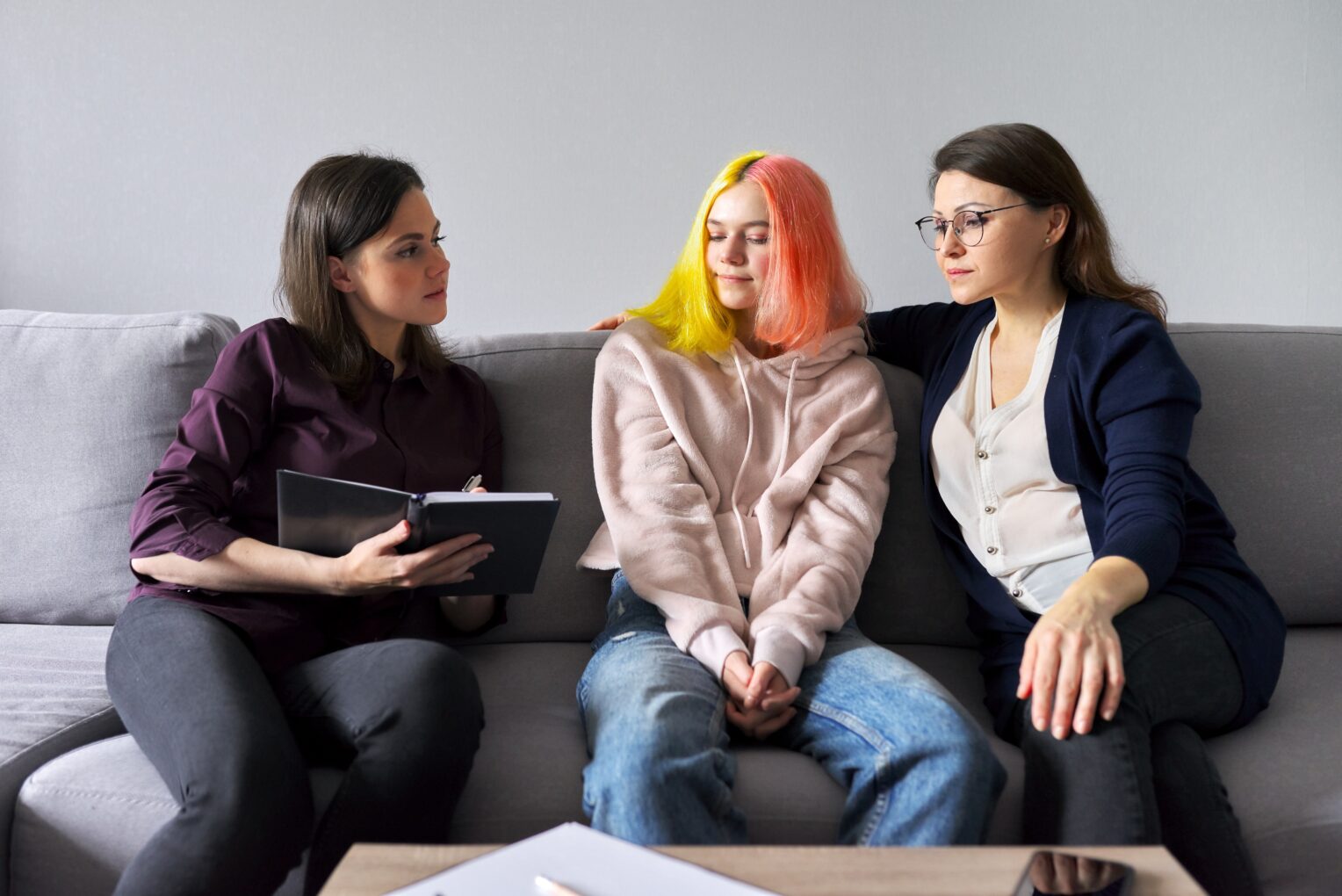
Family therapy can be helpful at times when you are faced with a crisis, or it can help with any long-standing difficulties. Those difficulties can be a family dealing with a child with anger issues, frequent arguments, issues among siblings, self-harm and depression.

Family therapy allows all family members to express themselves and to explore their difficult thoughts and feelings in a safe and contained way. It helps to understand each other’s perspectives and experiences and to recognize other’s needs as well as yours. It helps to build on the strengths of your family and helps to make useful changes in relationships.

(Click the images to view at a larger size)

Sandplay

Sandplay is a non-verbal, therapeutic intervention which uses a sandbox, sand, water and miniatures (super heros, animals, vehicles etc). Scenes and stories are created in the sand which reflects a person’s inner thoughts, feelings, worries and fears – sometimes it can be hard to put feelings into words. Sandplay can be helpful when working with young children, teenagers and adults that find it hard to express themselves.

(Click the images to view at a larger size)
Art

This is a form of psychotherapy which uses art as the main mode of expression and communication. It is an expressive therapy that allows connection to thoughts and feelings. It assists healing as you gain personal insight into yourself, and you begin to develop new ways of coping.

(Click the images to view at a larger size)

Play

Play is used with a child to help discover and deal with any psychological problems. Young children might not be able to process their feeling and emotions yet or can’t verbalise how they are feeling to a parent or carer. Play helps to facilitate and explore the emotions in a safe and contained way. A counsellor can use play to notice and gain an insight into the child’s difficulties and their world.

(Click the images to view at a larger size)

Clay

Touching and moulding clay helps explore feelings and emotions that haven’t been expressed through other means. When in contact with the clay it begins communication between the right and left brain, helping people to remember forgotten ideas and make connections. It aids the healing of buried memories and experiences by bringing them to the conscious level. Many people enjoy the sensory experience of working with clay and like trying it as no prior skills are needed.

(Click the images to view at a larger size)

Walk and Talk

Walking and Talking is one of the most natural things that people can do. Being out in the open air, with no constraints sometimes can make it easier to talk about your problems. Two of the best places Healing Sands uses for Walk and Talk therapy are Carisbrooke Castle and Yaverland beach. Both are very open, with other people around, but far enough away to maintain confidentiality.

(Click the images to view at a larger size)